Sonata Social
Social media without robots
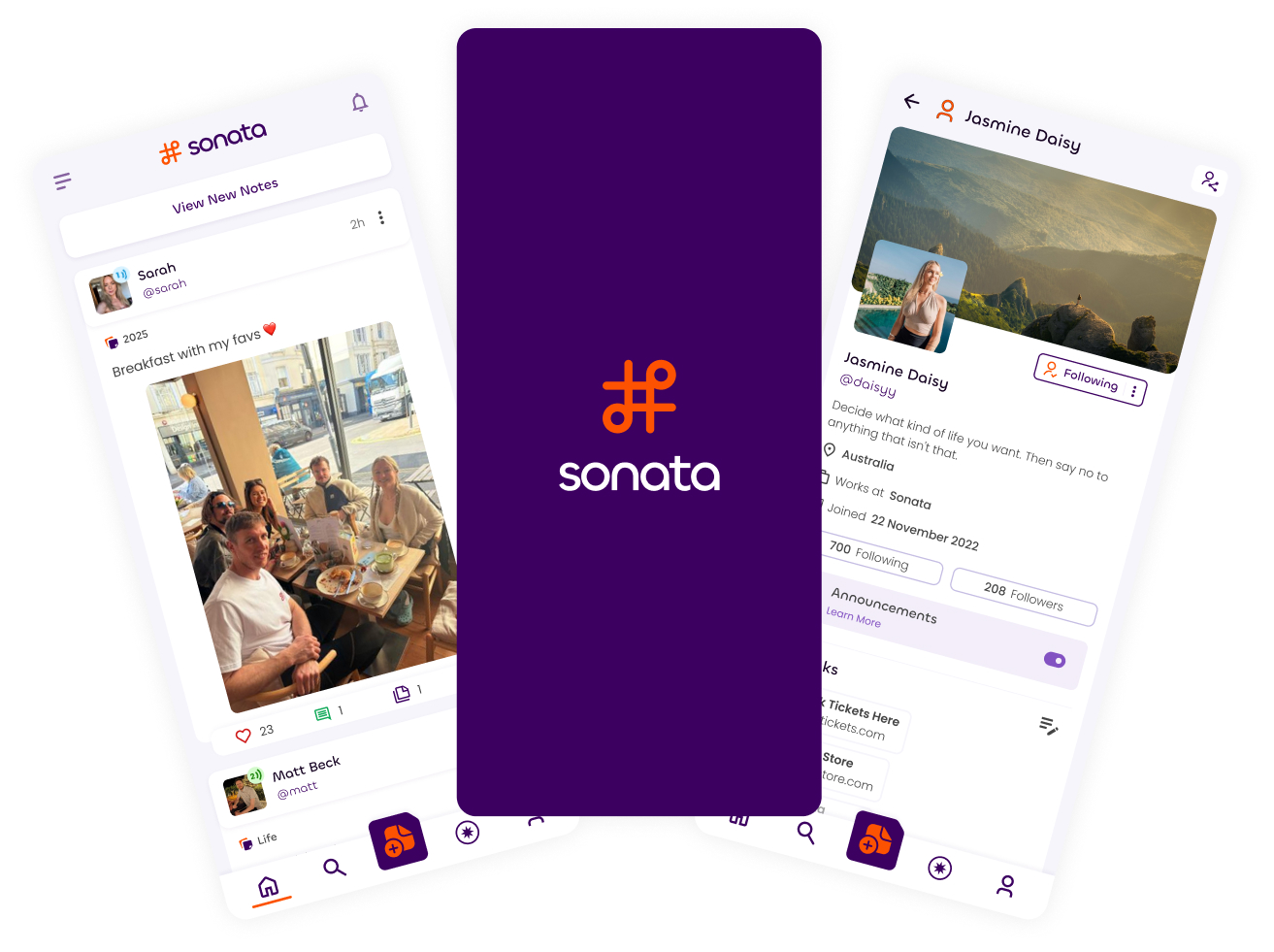
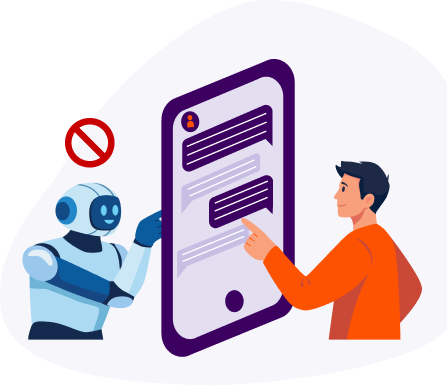
Sonata is social media for real people. In an online world dominated by AI, this is where you’ll find free-thinking human creativity.
It’s a safe place to speak your mind without abuse, arbitrary censorship or interaction with a robot.


Social media without censorship
Freedom of expression is for everyone, but nobody should be forced to listen. This is why we developed amplification.
It’s a transparent way to prevent accidental exposure to harmful content, without censorship or bans.
Amplification increases the visibility of your posts. It can also temporarily decrease the distribution of socially unacceptable material. This type of content can still exist on Sonata, but it’s only seen by users who actively seek it out.

Who are we?
Sonata Social was created by an independent software engineer and tech entrepreneur from Brighton.
Sonata embraces something unique within social media: social responsibility. We want to become a leading example of what people expect from a social media platform.
Sonata is run by a small team and many volunteers. It’s managed in the UK, although the company is registered in Iceland.
Why Iceland? Because it’s the freest country in the world for online expression.
Managed in the UK,
Registered in Iceland
Sonata is managed in the UK and registered in Iceland. Freedom House, which tracks global trends in political rights and civil liberties, lists Iceland as the freest country in the world for online expression. That’s why we’re registered there.

No investors
When companies have major private investors, a drive for profit can override their founding principles. We’ve prevented this from the start because Sonata is 100% owned and operated by its founder.
Read our Whitepaper to find out how we got here, and how Sonata works today.

Our Stance on AI
We oppose AI when it poses as a real person, without disclosing that its interaction with someone is AI-generated. As well as bots pretending to be human, this also includes AI-generated posts, comments and replies.
We believe that AI-generated art, writing, photography, music and design is a demotivator for creative talent. We champion human creativity and want to ensure that it is not lost.
We have no opposition to other uses of AI, including its use as an accessibility tool.
Frequently Asked Questions
We’ve answered some of the most common questions about Sonata here. If your question isn’t here, don’t worry. Just get in touch and we’ll provide an answer.
We aim to attract social media pioneers who want to become part of a smaller, more socially responsible online community
Our users may be concerned about the increasing number of bots on mainstream platforms. They might feel frustrated at the lack of political diversity, and fear hostility if they swim against the tide.
Sonata users don’t want recognition from the masses. This is a relatively small group of independent thinkers who are interested in other people’s viewpoints. When you join Sonata, you’ll be amongst the first to discover that there’s a better way to do social media.
The online world is now dominated by AI. On most social media platforms, you can never be confident that you’re interacting with a real person.
Sonata was founded to make the internet human again. We want to attract real people, then give them the space and freedom to be creative.
Yes. Amplification is designed to boost the distribution of authentic content.
If your posts consistently demonstrate that you’re a real person, and you steer clear of socially unacceptable content, your amplification level increases. More people see your content.
All violations can be appealed, and nearly all of them are temporary restrictions.
To appeal, use the settings on the amplification page. We’ll keep you informed at every stage of the process and if your appeal is accepted, the restriction will immediately be removed.